
A Guide to Creating Value in Mixed-Use Buildings
May 9, 2024
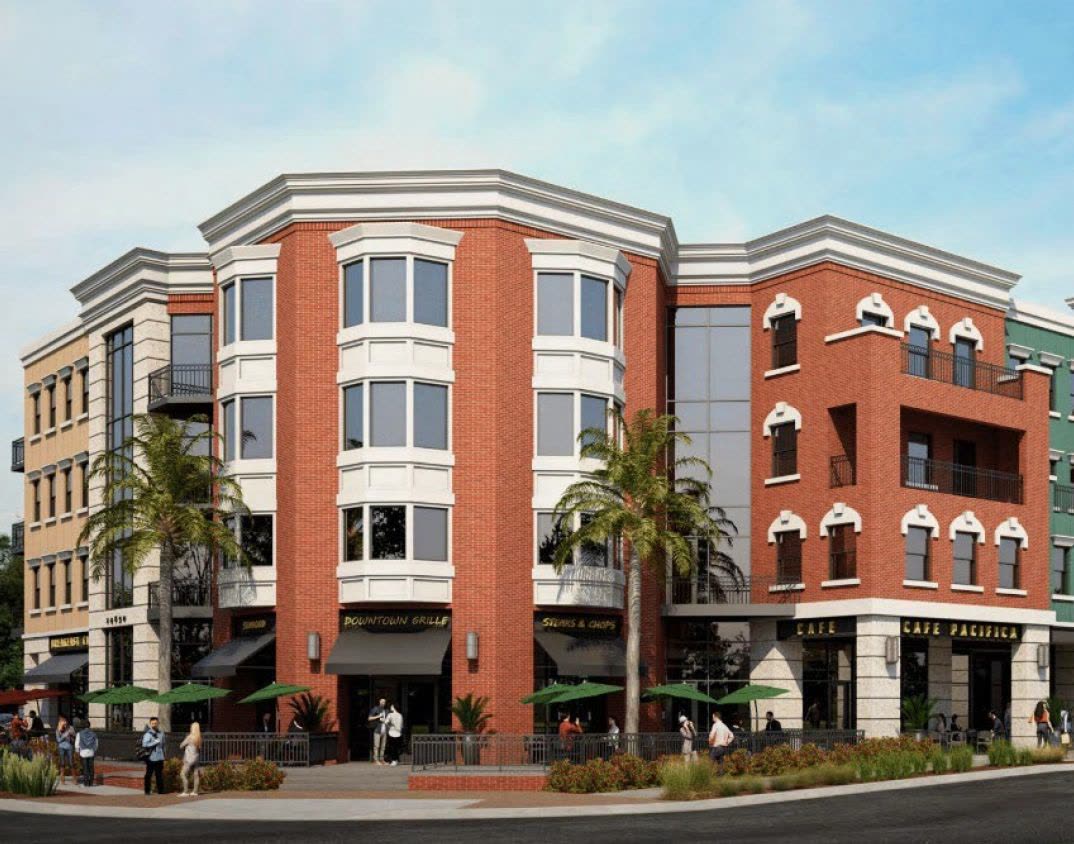
Stacked Interests: A Development Guide to Creating Value in Mixed-Use Buildings - A pre-publish book review.
Introduction The landscape of real estate development is ever-evolving, with mixed-use projects becoming increasingly prominent. These projects, which integrate residential and commercial spaces, foster vibrant communities where people can live, work, and engage socially in a unified setting. The complexity of planning, designing, financing, and marketing these multifaceted developments necessitates a detailed and strategic approach. This summary offers a dive into navigating the intricacies of mixed-use development, covering everything from initial site selection to the final phases of marketing and management.
Chapter 1: Laying the Foundation: Site Selection and Market Analysis Successful mixed-use developments start with a solid foundation, which involves an in-depth understanding of the local market and strategic site selection. This chapter outlines the essential steps to align your project for success.
Understanding Community Needs Key to any mixed-use project is its ability to serve the community effectively. Through analyzing demographic trends and consumer demands, developers can gain insights into what the community values in terms of residential options, retail offerings, and amenities. This chapter delves into methods for collecting and interpreting data from census reports, consumer surveys, and market research to identify age distributions, income levels, employment patterns, and lifestyle preferences.
Site Evaluation The potential of a mixed-use development heavily relies on its location. This section discusses how to assess sites based on accessibility to transport, walkability, parking availability, and visibility. It also covers the importance of compatibility with surrounding land uses and adherence to zoning regulations. Physical attributes of the site, such as topography and environmental conditions, are also examined for their impact on development feasibility.
Market Feasibility Analysis Before proceeding with a development, conducting a market feasibility study is crucial. This analysis helps understand the local retail market's health, the residential demand, and the competitive landscape. Developers need to consider existing and upcoming developments, analyze market trends like vacancy and rental rates, and evaluate consumer spending behaviors to position their project effectively.
Chapter 2: Designing for Success: Architectural and Functional Planning Design is pivotal in ensuring the functionality, aesthetics, and overall success of mixed-use developments. This chapter explores efficient space utilization, compliance with zoning laws, and the integration of design elements that cater to both residential and commercial uses.
Maximizing Space Efficiency Optimizing the available space is crucial for the coexistence of different functions within a mixed-use development. Strategies such as vertical zoning, shared amenities, and flexible floor plans are discussed to enhance both privacy and accessibility.
Zoning and Compliance Navigating zoning laws and compliance requirements is often challenging for mixed-use projects. This section provides insights into engaging with local authorities, utilizing expert legal counsel, and ensuring all design aspects meet regulatory standards.
Integrated Design Approach Creating a harmonious environment that blends residential and commercial elements is essential. This part emphasizes the importance of a cohesive architectural style, consistent design elements, and thoughtful consideration of functional aspects like pedestrian flow and infrastructure needs.
Chapter 3: Building Up: Construction Management and Best Practices Transitioning from design to actual construction involves detailed planning and coordination. This chapter guides developers through selecting the right construction partners, managing construction phases to minimize community disruption, and implementing rigorous quality control measures.
Contractor Selection Choosing contractors with the right expertise and a proven track record in mixed-use developments is critical. Evaluation criteria include financial stability, project management skills, and commitment to safety and quality.
Construction Phasing Effective phasing is crucial, especially in urban settings, to reduce the impact on the community. Strategies such as sequential construction, use of temporary barriers, and comprehensive logistics planning are covered.
Quality Control Maintaining high standards of construction quality ensures the longevity and success of the development. Practices such as third-party inspections, material testing, and thorough commissioning processes are detailed.
Chapter 4: Financing with Flexibility: Leveraging Private Debt Funds Financing mixed-use developments can be complex due to their multifaceted nature. This chapter explores the advantages of using private debt funds over traditional financing methods, including flexibility, speed, and the potential for higher leverage.
Overview of Private Debt Funds An introduction to private debt funds and how they operate provides a foundation for understanding their role in financing mixed-use projects.
Advantages of Private Debt Funds The benefits of private debt funds, such as tailored financing solutions and expertise in handling complex projects, are discussed alongside real-world case studies to illustrate their effectiveness.
Chapter 5: Marketing and Leasing: Strategies for Pre and Post-Construction Phases The final chapter focuses on marketing and leasing strategies essential for attracting residents and tenants. It covers pre-leasing tactics, brand development, and the transition to operational management.
Pre-leasing Tactics Effective marketing campaigns, virtual tours, and strategic partnerships are among the tactics discussed to secure tenants early and ensure financial viability.
Brand Building
Crafting a strong and distinctive brand identity for your mixed-use development is a key strategy in standing out in the competitive real estate market. Start by developing a memorable name and visually appealing logo. Ensure consistency in branding across all platforms and marketing channels. Organize engaging experiential marketing events and collaborate with local influencers to amplify your brand’s presence and create community buzz. These efforts will not only attract attention but also build lasting connections with your target audience.
Operational Transition
As the construction of your mixed-use development concludes, it’s crucial to ensure a smooth transition from the building phase to day-to-day operations. Prepare detailed move-in schedules and procedures to facilitate an organized transition for tenants. Conduct comprehensive training sessions for property management teams and tenants to familiarize them with building operations and policies. Implement a robust maintenance and management plan to uphold the quality and functionality of the space. Furthermore, cultivate a vibrant community atmosphere through regular events and initiatives, enhancing tenant satisfaction and retention.
Conclusion
Developing mixed-use residential and retail projects demands a holistic approach that spans from initial site selection and market analysis through to design, construction, financing, and ultimately, marketing and management. This book has provided a roadmap to navigate the complexities of these multifaceted projects, enabling developers to create thriving, sustainable communities. Each chapter has detailed critical aspects such as understanding community needs, achieving design and construction excellence, leveraging innovative financing options like private debt funds, and executing strategic marketing and leasing plans.
The insights and strategies discussed have underscored the importance of meticulous planning and execution across all phases of development. By adhering to the principles and best practices outlined, developers are equipped to maximize the potential of mixed-use developments. These projects not only serve the functional needs of residents and businesses but also enhance the social and economic fabric of the communities they are part of, fostering an integrated environment where people can live, work, and relax in harmony.
For more information on your project, contact David Van Waldick, Construction Finance Broker, 760-672-0145 / dave@wrfco.com.